Make the unit boundary explicit
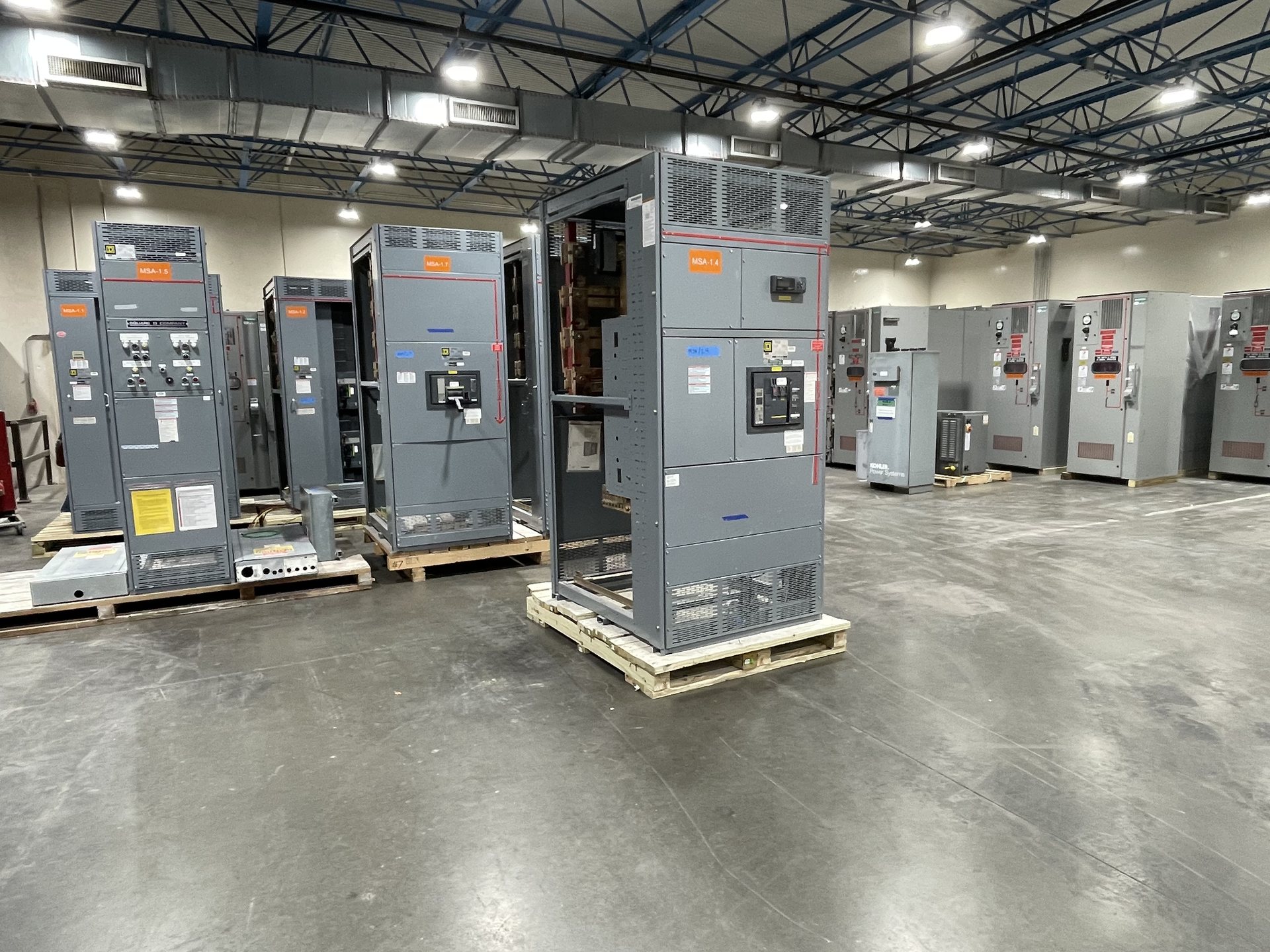
Start with the plant’s own unit identifiers: the number or name used on equipment records, drawings, tags, and shutdown documents. A proposed release should state which generating unit or units it covers, rather than relying on a broad phrase such as “surplus plant switchgear.” That distinction matters where adjoining units occupy the same building or share an electrical room. A buyer can review equipment identified for purchase, but cannot infer from location alone that an asset belongs to the retiring unit.
Create a preliminary schedule with each item’s available description, tag or asset number, equipment type, and stated unit association. Include the source of that association when known, such as an asset register or drawing reference. A missing tag, conflicting unit number, or uncertain ownership is useful information, not a detail to fill in by guesswork. Mark it unresolved so it can be checked against the seller’s records before the item is offered.
Tie release to milestones
A unit’s retirement may involve distinct milestones: removal from generation, transfer to a preservation or mothballing state, formal surplus designation, and eventual teardown. These do not automatically make every electrical asset available at the same time. A piece of switchgear may remain reserved for a later phase, or be held while an operational dependency is reviewed. Record the release milestone for each proposed group and the person or process that confirms it.
Keep equipment not yet released on a separate hold list, even if it sits beside sale candidates. If a release date or decision is still pending, describe it as pending rather than implying immediate availability. This lets a buyer consider the confirmed group without treating the entire unit’s inventory as committed. It also gives the seller a practical way to revise the proposed sale when demolition sequencing, ownership review, or plant operations change.
Explore related information: We Buy Used & Surplus Switchgear.
Name shared-system exceptions
The hardest boundary questions often involve systems that cross unit lines. Identify known shared or potentially shared assets separately: station service and auxiliary power, common bus or tie equipment, control and protection panels, common switchboards, transformers, emergency power, and electrical distribution serving more than one unit. This is an exception list, not a conclusion that any particular asset is shared. Note the units served, where that information comes from, and whether the scope is confirmed or still unknown.
Do not include an asset in the proposed sale merely because it is labeled with one unit number. A unit-specific feeder or panel may still support another unit, a common facility, or a remaining plant function. Conversely, a shared-looking location does not prove shared service. The seller’s records and responsible site personnel must establish the boundary. Keep exceptions out of the offer schedule until their disposition is confirmed, and clearly flag any unresolved connection or service relationship.
Identify equipment without overstating it
For each candidate, capture the details actually visible or documented: manufacturer name where legible, equipment type, tag, model or catalog reference, voltage information, and any stated assembly designation. Record the source and whether it is a photograph, nameplate transcription, inventory entry, or older drawing. A lineup’s rating is not automatically the rating of every breaker or device within it; similarly, one device’s marking does not establish the rating of the complete assembly.
Treat old drawings, photographs, and records as leads rather than proof that an item is still present or correctly identified. If a plate is obscured or information conflicts, say so. Do not infer a maker, series, condition, or completeness from a partial label. No testing is required from the seller for a purchase review. If an item’s condition or identity is unknown, report that plainly rather than arranging a test or making a performance claim.
Explore related information: Nevada Distribution Equipment Buyer.
Separate ownership, scope, and access
Before presenting a group for purchase, confirm who owns it and whether any part is excluded, retained, leased, or subject to another party’s rights. A plant teardown may have different ownership or release authority for different units, buildings, or project phases. The schedule should distinguish “identified for review” from “authorized for sale.” If an asset is shared, disputed, or awaiting approval, keep it off the confirmed sale scope until the appropriate authority resolves its status.
Access and timing also affect what can be acquired, without changing the ownership boundary. Identify whether equipment is in a controlled room, behind other retained assets, or subject to a closure milestone, and note any site restrictions already known. The buyer can coordinate crane, rigging, disconnects, loading, freight, and hauling for accepted equipment; the seller need not perform those tasks. The seller should not touch or open equipment, and work at the site must remain with qualified personnel.
Offer a controlled release package
A useful release package combines the unit schedule, milestone status, shared-system exception list, ownership authority, and available supporting records. Keep confirmed candidates separate from unresolved and excluded assets, and update the version when scope changes. This structure makes it easier to discuss a defined group without accidentally offering equipment that still serves another unit. It also helps both sides distinguish what is known from what still requires confirmation before a transaction can proceed.
The business buys used, surplus, and decommissioned electrical equipment, including switchgear from shut-down power plants, and may make cash offers with payment upfront for equipment it agrees to purchase. An offer is not a promise to accept every listed item or assign value to each piece. All voltage classes are considered, but a rating alone does not establish suitability or acceptance. The buyer covers freight and handles agreed removal logistics; the seller’s role is to provide accurate information and receive payment for accepted equipment.