Electrical equipment we buy
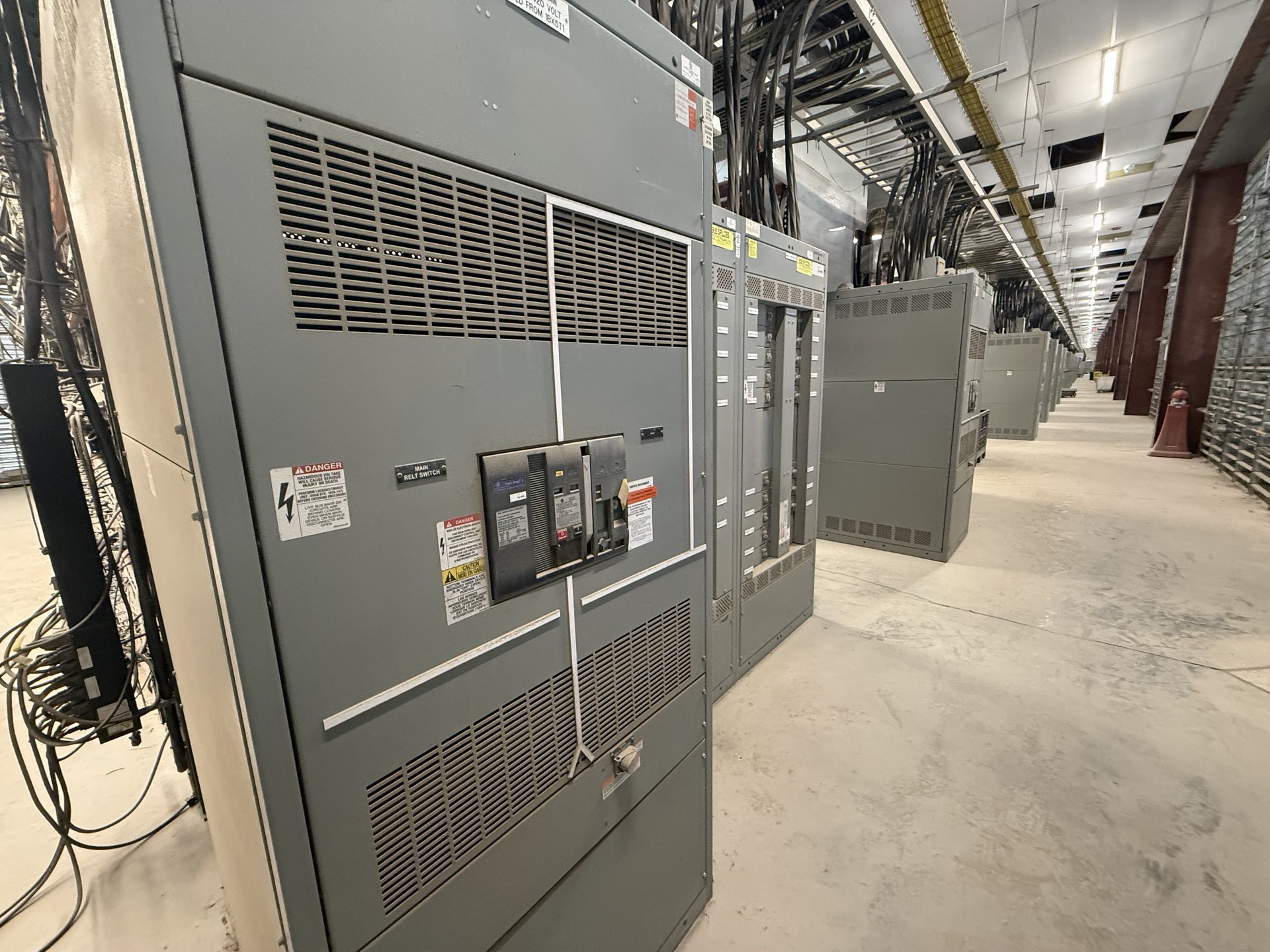
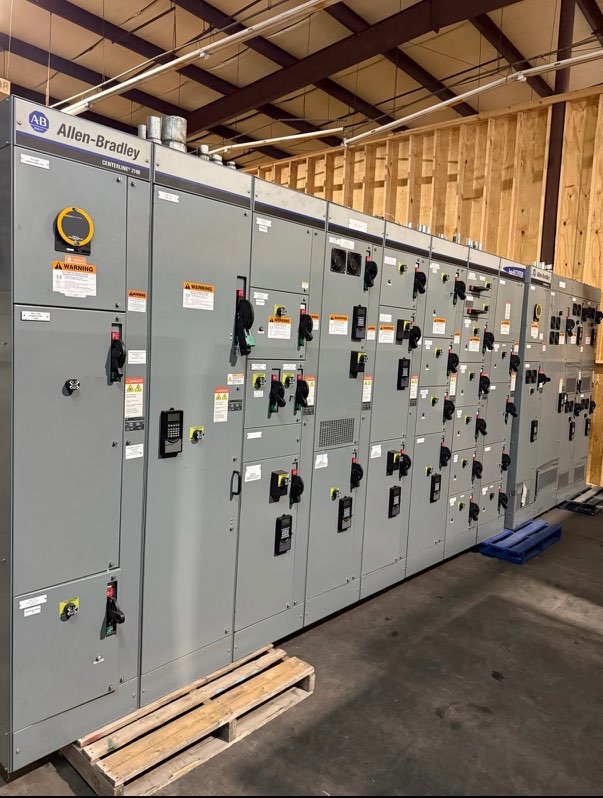
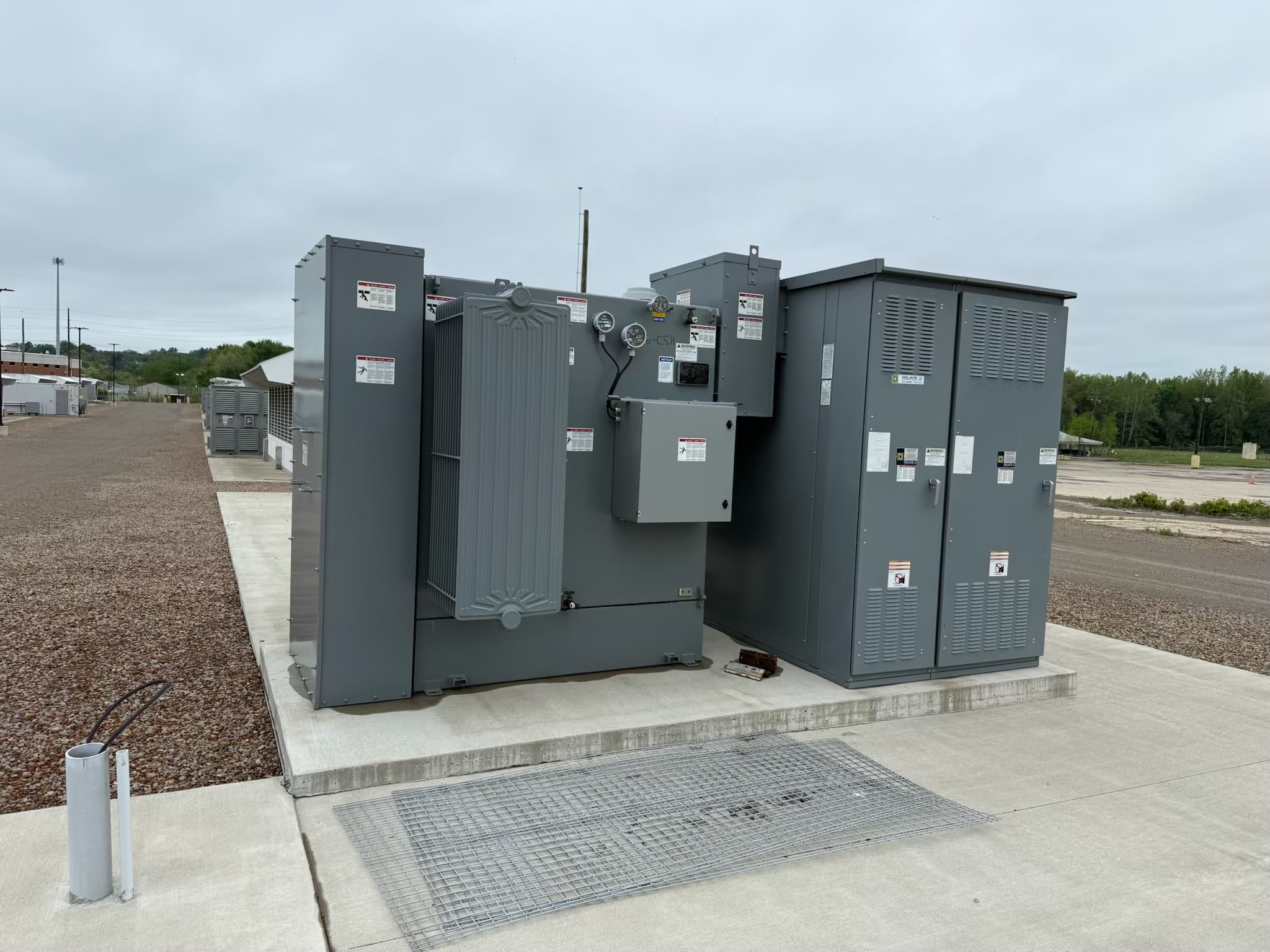
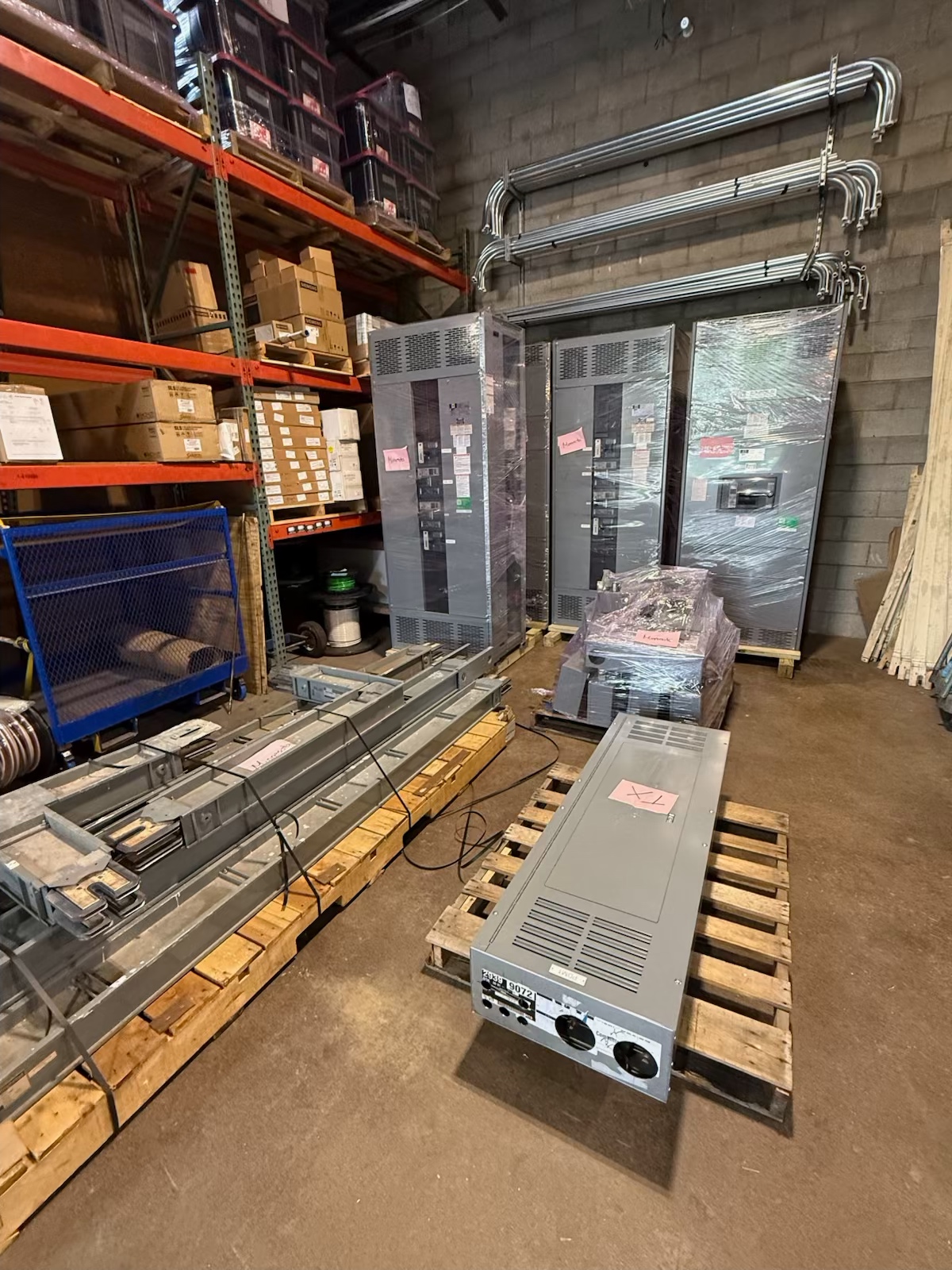
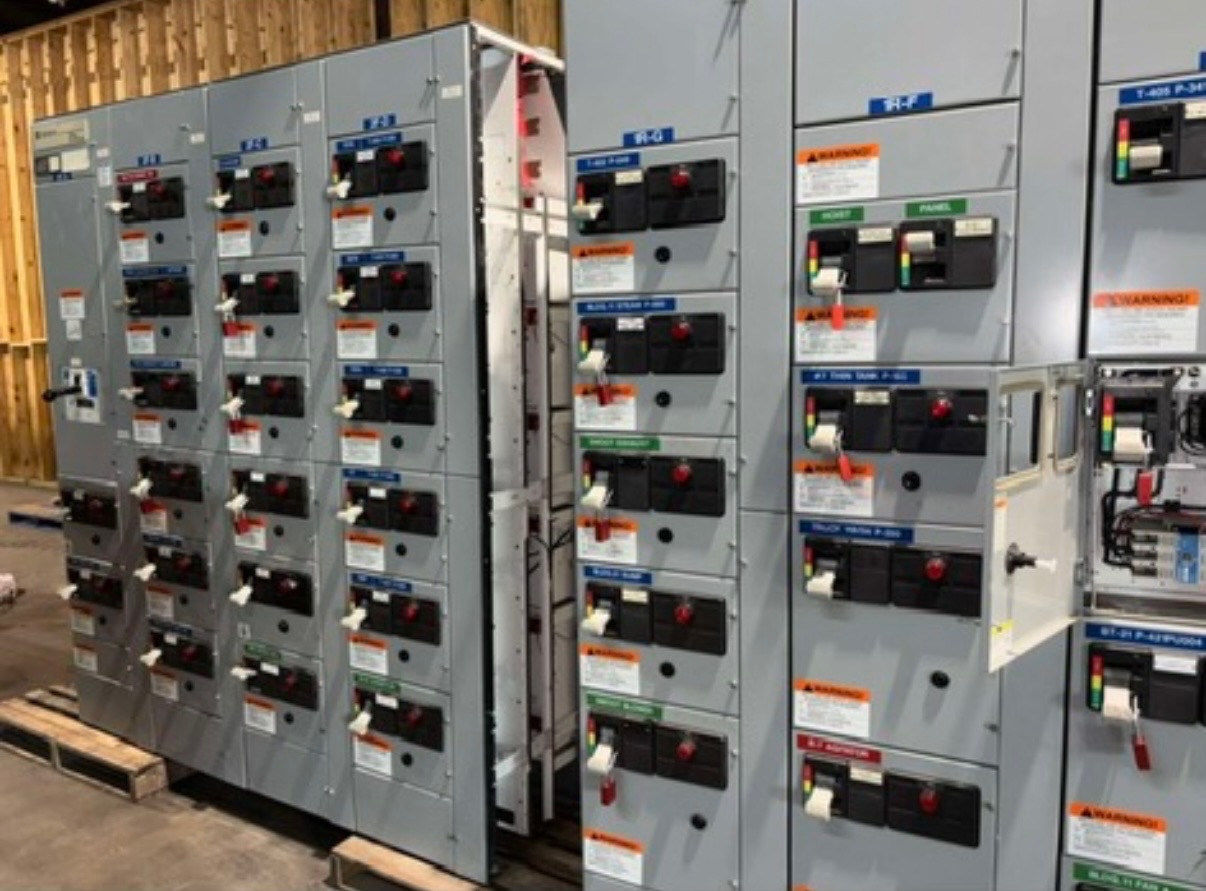
We buy switchgear, switchboards, motor control centers (MCCs), panelboards, busway, breakers, automatic transfer switches (ATS), and unit substations. Our buying scope covers all voltage classes. The equipment may be used, surplus to a project, or no longer needed at a facility; tell us what you know about its history rather than assuming a particular condition.
A single unit can be worth discussing, as can a group of different assets. If you have a switchgear lineup, tell us whether the entire lineup or only certain sections are available. For a mixed lot, separate the major equipment types so we can understand what is being offered without treating a breaker, a panelboard and a complete switchboard as the same thing.
From facility closures to project surplus
We buy electrical switchgear out of decommissioned data centers and shut-down power plants. Those projects can involve equipment still at the facility as well as assets already in storage. A sitewide equipment schedule can be a useful starting point, but tell us which listed items are actually part of your offer and which will remain with the project.
Other common situations include a facility upgrade that leaves an old lineup surplus, a contractor with unused project equipment, or a warehouse clearing space occupied by electrical assets. You do not need to have a complete facility inventory to start a conversation. Identify the pieces you are authorized to offer, whether that is one transfer switch or several groups of equipment.
Explore related information: Nevada Distribution Equipment Buyer.
The details that make an inquiry useful
Start with the equipment type, quantity and location. If available from existing records or safely visible labels, add the manufacturer, model, voltage and ampere rating. For a lineup, the number of sections and the breakers included help define its scope. For an MCC, distinguish the number of sections from the number of control buckets, if known.
You can also tell us about included accessories, obvious missing pieces and any known storage history. Keep separate items separate: a breaker may have its own identification and rating, which should not automatically be applied to the whole assembly. If a label is missing, a rating is unreadable, or you do not know whether an item works, say so. An honest partial description is better than a guess.
Photos and paperwork: what to share
Existing photos are a good place to start. An overall view can show the size and arrangement of the equipment; a closer, readable view of an exterior nameplate can help identify the specific unit. For several assets, match each photo to the relevant item on your list. For busway, existing pictures or records that distinguish straight sections, fittings and plug-in units can help clarify the lot.
If you have a one-line drawing, equipment schedule or other documentation, let us know what it covers. Older records may describe a different configuration, so flag anything that no longer appears to match. Photos and documents help identify equipment; they do not establish its internal condition. Share only information your organization permits you to disclose, and use existing records when access to the equipment is restricted.
Explore related information: Nevada Switchgear Buyer.
Cash offers, with payment upfront
We make cash offers for equipment we can buy and pay upfront once a purchase is agreed. The equipment description helps us understand the proposed purchase; an inquiry is not a promise that every item will receive an offer or that a particular price applies. Ask us to clarify which assets an offer covers so the scope is clear before you agree.
No testing is required from the seller. You do not have to prove that a breaker operates or commission an assembly to begin. If you already have relevant condition information or records, you can share them; if you do not, simply describe what is known and what remains unknown. We do not ask you to turn uncertainty into a performance claim.
Removal and logistics are on us
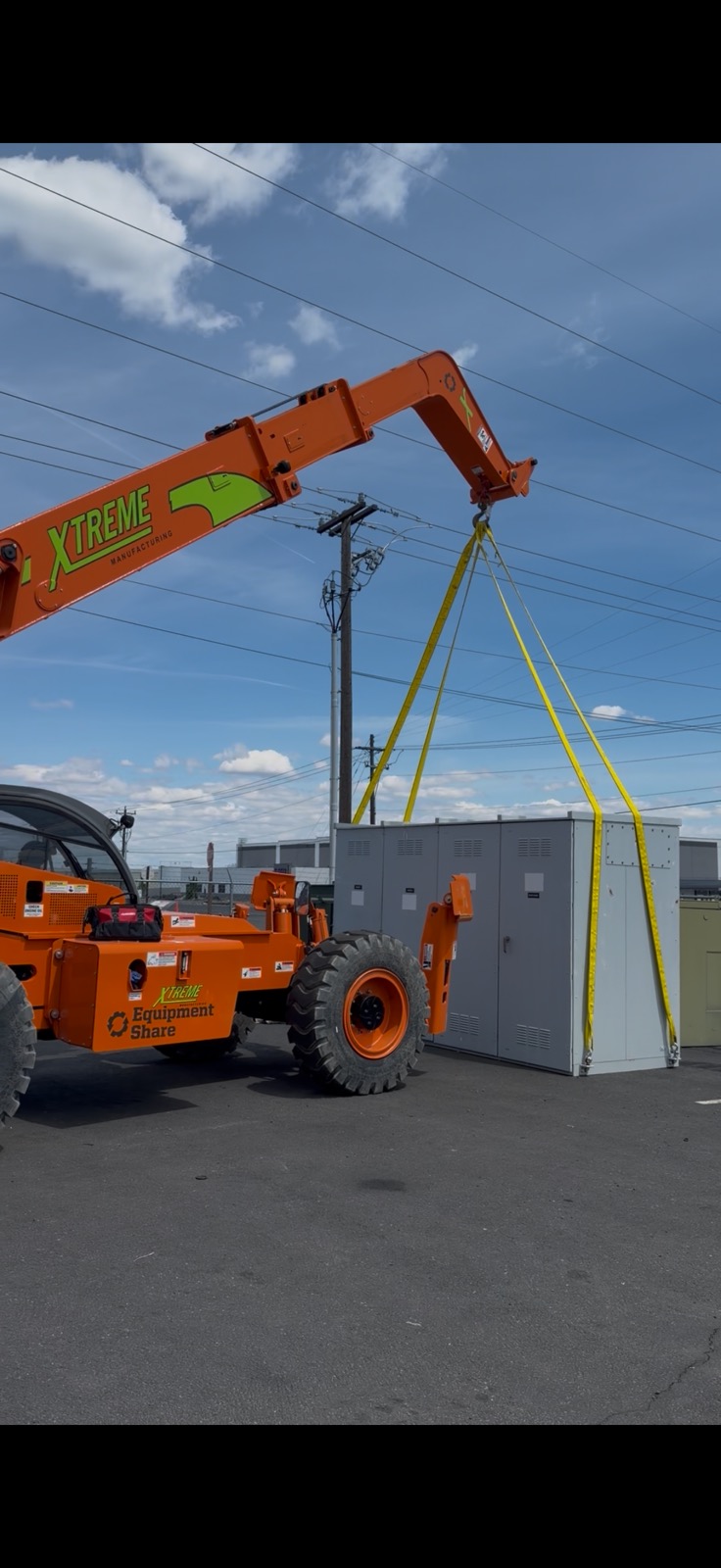
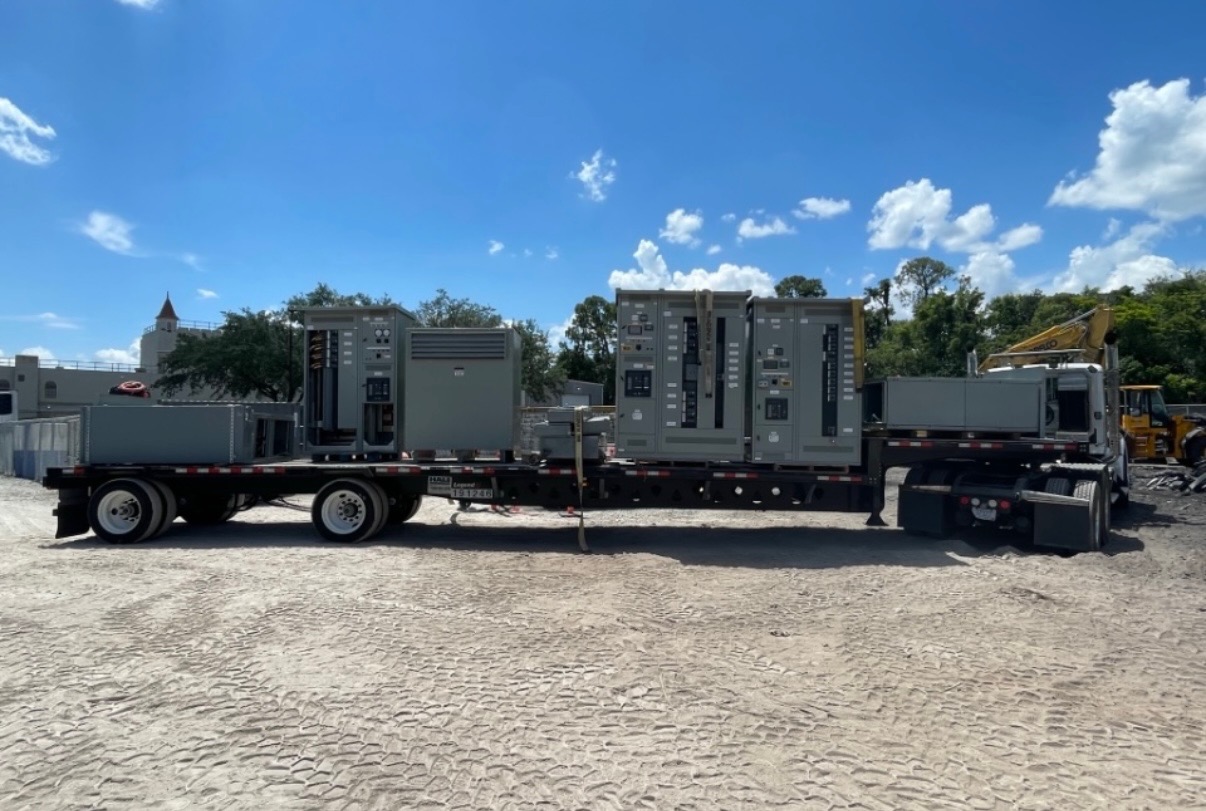
We handle all rigging and logistics: crane work, rigging, disconnects, loading, freight and hauling are on us. After a purchase is agreed, the seller does nothing but get paid; you do not have to arrange or perform the removal work. We will coordinate the work and site access with the appropriate contact rather than leaving you to find separate removal and freight providers.
To help define the job, share the equipment location, whether it is installed or stored, and any known building or access restrictions. Dimensions, weights, existing site plans and project scheduling constraints are helpful if already available; do not estimate measurements you cannot verify. Tell us who is authorized to coordinate access and identify any equipment that must remain outside the purchase.
Keep safety ahead of the sale
Electrical equipment can present serious hazards, including when its status is uncertain. Do not operate equipment, open covers, remove barriers, test circuits or attempt a disconnect to prepare an inquiry. Disconnects and removal are for qualified personnel to handle. If you cannot safely view an exterior label or take a photo from an authorized location, leave that detail for the discussion.
Do not enter restricted areas to gather information. Existing photographs, drawings or an equipment list can provide a starting point without disturbing the installation. Let us know about known site rules and access limitations, and we can coordinate the next steps with the person responsible for the facility.
Tell us what you have
Call or text (614) 715-3047 with your equipment details and any available photos. Include the Nevada city or county, the type and approximate quantity of equipment, and a contact who can discuss the assets. If the equipment is spread across locations, note which items are where; if quantities are estimates, label them as such.
An organized message helps us discuss the right scope, but it does not need to be a technical report. Send the information you already have, identify any uncertainties, and tell us whether you are offering a single piece or a larger lot. We will discuss the equipment and the proposed purchase with you, including what is included and how removal will be coordinated.