Build the exposure timeline
Use existing incident reports, maintenance notes, inspection records, photographs and insurer correspondence to establish what is known about the water event. Record dates and times when documented, the source described in the records, and when exposure was reported or observed. If the source or timing is uncertain, say so plainly rather than filling gaps with an assumption. A sequence of dated records can help distinguish the reported event from later observations, without establishing the equipment’s internal condition.
Keep original records where possible and note who created each account. Separate direct observations—such as water reported on a floor or visible marks on an enclosure—from conclusions about how far moisture traveled or what components it reached. A report may describe a room or lineup generally without addressing every section. Do not treat an absence of recorded damage as proof that no exposure occurred. The purpose is to give a buyer an accurate account to review, not to certify equipment condition.
Identify authority to discuss a sale
Before sharing records or discussing disposition, identify the equipment owner and the person authorized to represent that owner. If an insurer, claims representative, property manager, lender or other party has an interest in the equipment, clarify who can approve a sale and who should receive inquiry documents. The right contact may differ from the person who reported the incident or arranged an inspection. A clear ownership path helps prevent conflicting directions and avoids treating an inquiry as permission to remove equipment.
For Reno-located equipment, location is relevant to evaluating the inquiry and planning any potential recovery; it does not establish who owns the lineup or controls site access. If ownership or claims authority is unresolved, state that status and identify the next decision-maker, rather than presenting approval as settled. Share only material the authorized contact may provide. Any later sale or removal remains subject to the owner’s authority and applicable site or insurer decisions.
Explore related information: We Buy Used & Surplus Switchgear.
Describe visible facts separately
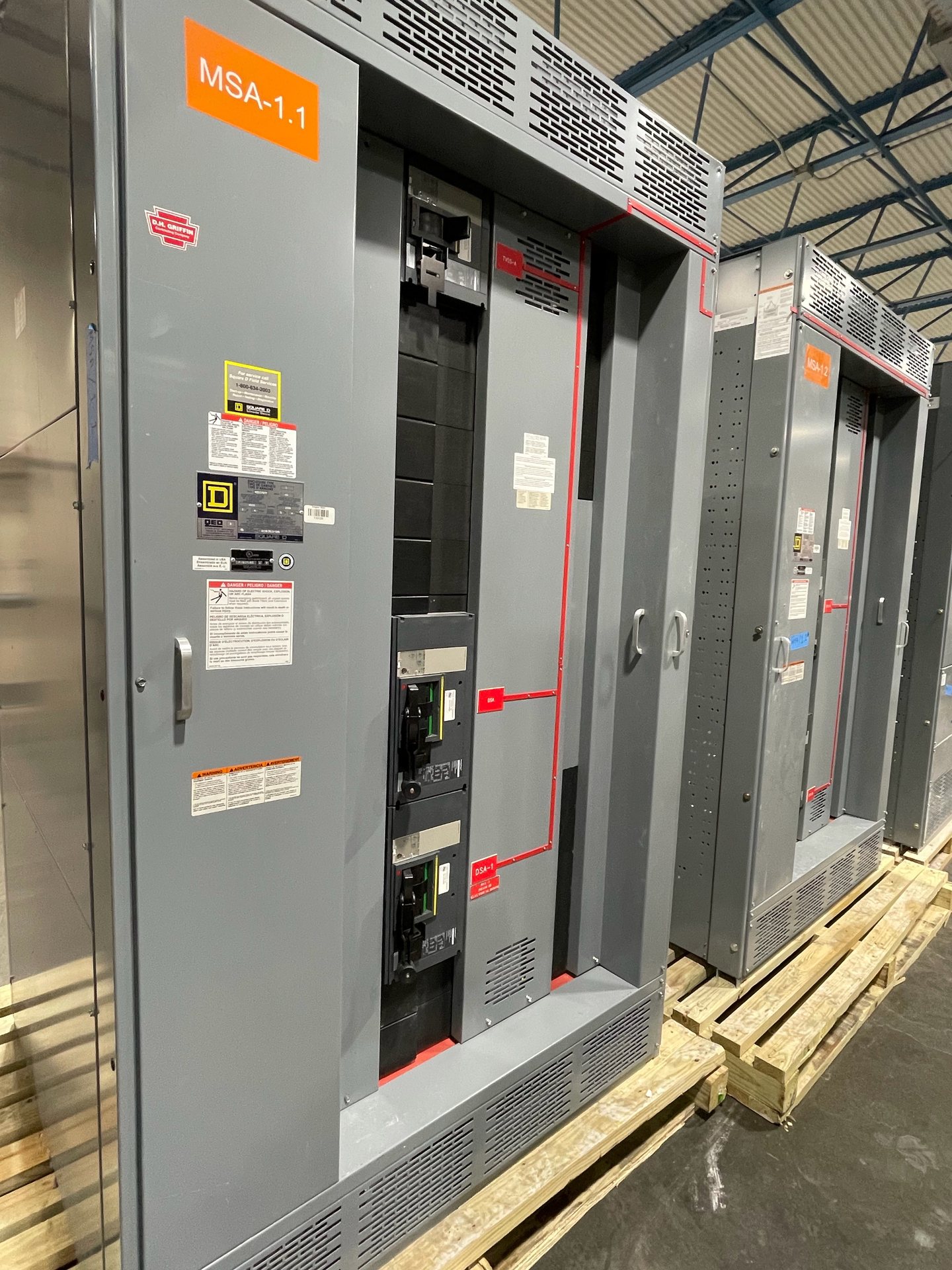
Write down only what existing, site-authorized photographs or records actually show: for example, the exterior location of visible staining, reported standing water, or a marked area on a drawing. Describe where the observation appears and who documented it, if known. Avoid translating a surface mark into a claim about water depth, duration, contamination, or contact with energized parts unless a record specifically supports that statement. A lineup can include multiple sections, and a general description may not identify which section was affected.
Do not approach, touch, open or inspect equipment to improve an inquiry. Use existing photographs and documents, or images taken from a safe, site-authorized position; otherwise leave observation to qualified personnel. Do not ask a seller to seek a nameplate or obtain a closer view; leave closer access to qualified personnel. If a photograph is distant, obscured or incomplete, label its limits. A missing view is an unknown, not evidence that a component is unaffected.
Keep technical identity precise
Include available identifying details from records: manufacturer as recorded, lineup or section labels, model and serial information if already documented, nominal voltage, and any recorded bus or breaker ratings. Preserve the source and wording of each figure. A lineup’s general amp marking does not by itself establish the main-bus rating, and an individual breaker rating is not the assembly rating. Do not combine figures from different documents or infer a rating from one number without supporting identification.
Water-exposure records may refer to a switchgear lineup, a room, or a nearby component without making clear which equipment is meant. Tie each observation to a recorded tag, drawing reference or other reliable identifier when available. If the identifier is missing, conflicting or unreadable in existing records, disclose that limitation. Do not classify construction as metal-clad based on appearance alone: metal-clad is a specific type of metal-enclosed construction. Leave uncertain type, configuration and component details unresolved rather than presenting them as fact.
Explore related information: Nevada Low-Voltage Switchgear Buyer.
State what remains unknown
A visual report or incident record cannot, by itself, establish internal condition, operational status, remaining service life or suitability for reuse. Water may have affected areas not visible in a photograph, while a record may not identify the path or extent of exposure. List unanswered questions explicitly—for example, whether the event reached particular sections, whether an inspection addressed internal components, or whether later work occurred. Do not infer answers from age, appearance, a single rating or an undamaged exterior.
If testing or further inspection has not been documented, say that it is not documented; do not suggest the seller perform testing for the inquiry. The buyer may consider equipment without seller testing, but an inquiry or offer does not guarantee acceptance of every piece or establish a value in advance. Provide truthful descriptions of known defects, missing documents and unresolved claims. If a record contradicts another, identify both sources and let the authorized contact explain the discrepancy.
Coordinate a practical inquiry
A concise submission can include the Reno location, equipment identifiers available from records, the exposure timeline, relevant incident or inspection documents, and the name and role of the authorized contact. Mention access conditions or site restrictions only as reported by the responsible party, and flag unresolved ownership or insurer approval. This helps distinguish an initial review from a decision about disposition. Do not promise access, removal dates or a recovery scope until the responsible parties have confirmed them.
The buyer may make cash offers with payment upfront, requires no testing from the seller, buys across voltage classes, and covers freight. For an accepted transaction, the buyer handles crane, rigging, disconnects, loading, freight and hauling; the seller’s role is to get paid, subject to the agreed transaction and access arrangements. Sellers should not touch or open equipment or arrange electrical work for the inquiry. Any site work must be coordinated with authorized personnel and left to qualified professionals.