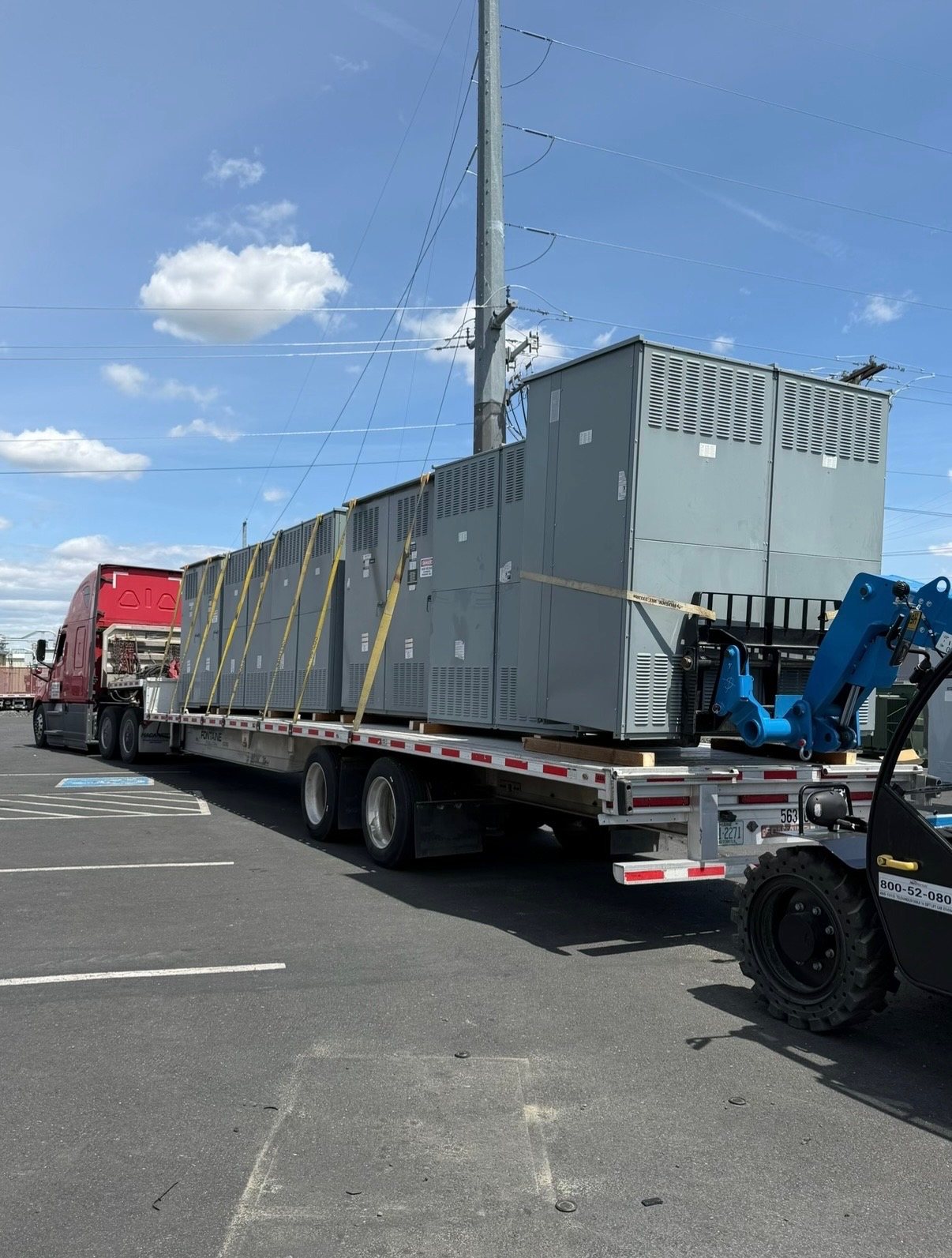
Define the renovation boundary
Before assembling a surplus list, establish which electrical assets belong to the renovation and which remain part of the operating property. In a conditional example, a hotel might renovate one wing while guest rooms or service areas elsewhere stay occupied. A switchboard, panel, transformer, or transfer device near the work area is not automatically available: it may serve loads outside the renovation boundary. Use existing drawings, schedules, asset records, and project documents to identify intended scope, and distinguish confirmed removals from equipment whose status is unresolved.
Record the boundary in plain terms, such as the building area, floor, electrical room, or project phase, rather than relying on a vague label like “old gear.” Note who controls the asset and who is authorized to release it. If records conflict or the equipment’s role is unclear, mark that uncertainty instead of assuming it is abandoned. The buyer needs a truthful account of what is being offered; the property’s operational team and qualified project personnel should resolve service and ownership questions.
Protect occupied-area service
Where hospitality spaces remain occupied, the central decision is whether an item can be released without compromising active service. Equipment may be physically located in a renovation zone yet supply lighting, elevators, kitchens, laundry, life-safety systems, or another area still in use. Conversely, equipment serving only a closed portion may remain connected or subject to a later project milestone. Treat location, function, and release status as separate facts, and avoid describing any item as surplus until the responsible parties confirm its disposition.
A clear inventory can show “confirmed renovation removal,” “held for project review,” or “not offered—serves occupied area.” These labels help prevent an interested buyer from mistaking a staged item for an approved removal. They also make later changes visible: if the project boundary shifts, update the record and identify who approved the revision. Do not touch or open equipment to establish its function. If safe access or service information is lacking, leave assessment to qualified personnel and keep the item’s status unresolved.
Explore related information: We Buy Used & Surplus Switchgear.
Record staged access constraints
A phased renovation can make access as important as equipment identity. One area may be available during a defined project window, while another remains behind tenant, guest, or contractor controls. Describe the constraints without promising a removal date: identify the relevant area, required site coordination, access approval contact or role, escort requirements if applicable, and any times when the space is unavailable. Record whether the equipment is already staged in an approved location or remains in place pending project work.
Separate confirmed conditions from planning assumptions. For example, “access subject to renovation manager approval” is more accurate than implying a buyer can enter whenever needed. Note any shared corridors, restricted rooms, or occupied-adjacency concerns that affect the proposed scope, without suggesting that the seller should move or prepare equipment. If access arrangements change, update the description before an offer is evaluated. This helps a buyer assess whether the lot can be reached and coordinated within the project’s actual sequence.
Describe each item accurately
For each piece, capture information already available from existing records or safe, authorized views: equipment type, manufacturer if legible in records, model or catalog number, serial number, stated ratings, quantity, and known condition. Keep a distinction between what a record says and what someone has verified. A switchgear lineup’s broad description does not establish its internal configuration, and a general assembly amp marking does not by itself establish a main-bus rating. Identify current, bus, and breaker ratings only as the relevant nameplate or documentation qualifies them.
Hospitality renovations can involve equipment serving unlike loads and operating areas, so avoid combining similar-looking devices into one unsupported description. Note whether the item is a complete assembly, a section, or a separate component only when documentation supports that wording. Do not classify an unfamiliar lineup as metal-clad based on appearance; metal-clad is a specific type of metal-enclosed construction. When details cannot be confirmed safely, state “unknown” or “not documented” rather than filling gaps with assumptions.
Explore related information: Nevada Distribution Equipment Buyer.
Build a truthful lot record
A useful lot record connects each item to its location and project status. Use consistent item identifiers across the inventory, photographs, and supporting documents, and note whether a photo shows the actual equipment, a related assembly, or a reference image. Existing photographs and documents are suitable sources; new images should be taken only from a safe, site-authorized position. Never approach equipment or seek a closer nameplate view. If closer inspection is needed, leave it to qualified personnel.
Include uncertainty openly. A drawing may be outdated, a label may be unreadable, or a photograph may omit rear or internal details. State those limits rather than implying a complete survey. Include known exclusions—for example, equipment retained for ongoing service or items still subject to owner review—so the offered lot is not confused with everything visible in a room. Accurate boundaries and honest gaps make it easier to assess the opportunity without overstating condition, completeness, or suitability.
Coordinate review and removal scope
Once the proposed lot is defined, align the inventory with the people responsible for the renovation, occupied operations, and asset release. Confirm which items are included, what remains excluded, and whether any staged-access conditions affect the buyer’s review or eventual collection. A conditional scenario might involve one electrical room becoming available after a project phase while an adjacent room remains controlled for ongoing service. Treat that sequence as a planning condition, not a guaranteed access date or a claim about any particular Mesquite property.
The buyer may make a cash offer for equipment selected after review; an offer does not guarantee acceptance of every item or establish a particular value. No seller testing is required. Payment is upfront, and the buyer covers freight and handles agreed crane, rigging, disconnect, loading, and hauling arrangements, so the seller does not need to perform those tasks. Keep site approvals and qualified-personnel responsibilities clear: do not touch or open equipment, and leave electrical work and any necessary access assessment to qualified personnel.