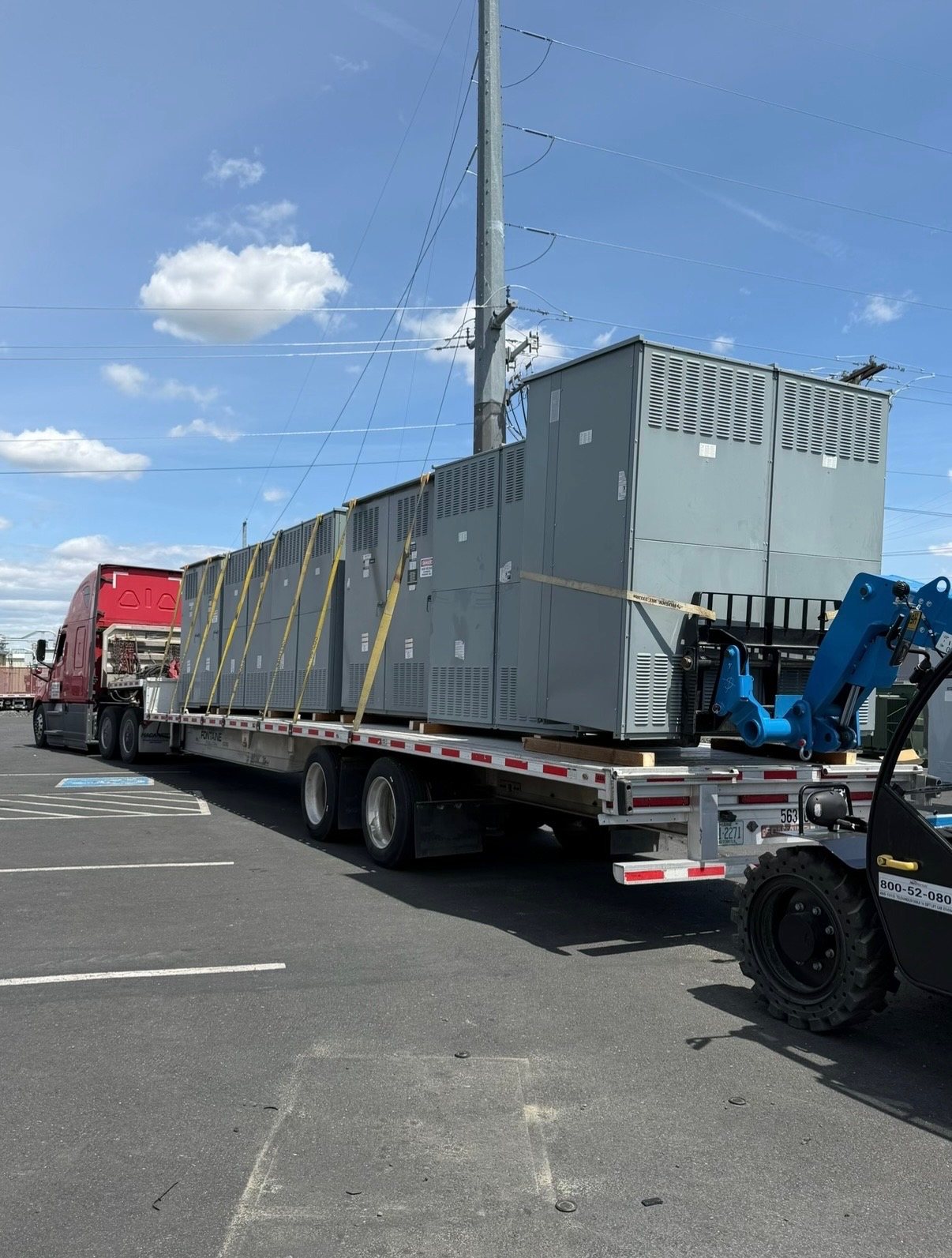
Start with the asset scope
Start with the equipment that is actually available, rather than a broad description of the former facility or project. If a circuit directory or drawing is available, it can help explain the recorded configuration without replacing a current inventory. Where an exact quantity is not yet known, an estimate can be identified as an estimate rather than presented as a count. A project may generate several kinds of surplus, but each equipment group can be introduced as a separate entry.
State the quantity and identify whether the offer covers a single item, a group of units, or an equipment lineup. The bus rating, voltage, and manufacturer markings on the board are useful identifiers when they are visible. A concise overview and a more detailed item list can complement one another when an asset has several components. A useful description separates the assembly itself from unrelated equipment that happens to be stored nearby.
Useful identification details
When a number comes from a document rather than a visible label, note the source so the two are not confused. An overall view of the enclosure and close views of existing labels can convey different kinds of information. A rating is most useful when the list makes clear which specific unit or section the marking belongs to. If there is an existing equipment schedule, identify the entry that corresponds to the item being offered.
The equipment designation and a quantity make a more useful starting point than a brand name by itself. A description can state whether covers and recognizable accessories are included without making claims about operation. Separate the overall assembly identifier from the part numbers of any components that are offered with it. Record a manufacturer and model number if those markings are available in existing photographs or equipment records.
Explore related information: We Buy Used & Surplus Switchgear.
Distinguish assemblies from parts
Use an existing inventory to distinguish the larger assembly from loose components and any accompanying records. A single panel and a multi-section switchboard should be listed separately rather than treated as interchangeable names. Separate line items help explain whether several pieces belong to one assembly or are simply part of the same lot. A count of enclosures does not necessarily describe the number of devices, so the two quantities can be recorded separately.
Describe the offer as it stands, including any known omissions, rather than making assumptions about its original configuration. A switchboard may have a main section and distribution sections, so an inventory should distinguish the assembly from individual devices. A buyer can better understand a mixed assortment when the list groups similar items and calls out the differences. If an associated component is not part of the offer, saying so avoids confusion about the boundaries of the lot.
What the available records can show
If an item has missing markings or incomplete records, include that fact instead of supplying a speculative specification. A count of sections and a description of their arrangement make a lineup easier to understand than a generic equipment name. An older drawing may not match the present equipment, so identify it as an available record rather than current proof. A prior use, storage history, or age may be useful context if known, but none should be invented to fill a gap.
Distinguish an observed exterior condition from an operating status that has not been established. Breaker identification can supplement the main switchboard label because the individual devices may have their own markings. A useful inquiry can say what is unknown; complete documentation is not something a seller should have to invent. The absence of a known issue is different from a confirmed statement about the condition of an electrical device.
Explore related information: GE Electrical Equipment Buyer in Nevada.
Put the equipment in context
The name GE identifies equipment sought by the buyer; it does not indicate an affiliation, manufacturer authorization, or a claim of existing inventory. A description of the project is useful when it helps identify the assets, not when it substitutes for their actual specifications. If quantities or locations differ across items, note those distinctions on the list rather than relying on a single overview. The relevant project context can explain why the equipment is available without making claims about its technical condition.
Identify the location of the equipment and the person authorized to discuss its disposition as separate pieces of information. A facility name alone does not identify the electrical equipment, so the asset description still needs its own details. The context can be practical and limited: where the asset is located, what is included, and what records already exist. When several parties are involved, a clear inventory helps distinguish the equipment offered from other project property.
Cash offers and freight coverage
The buyer makes cash offers and pays upfront, covers all freight, and does not require testing by the seller. All crane work, rigging, disconnects, loading, freight and hauling are on us; we handle the rigging and logistics, so the seller does nothing but get paid. These terms describe the purchasing process; they do not imply a guaranteed offer amount or acceptance of every individual item.
We buy electrical switchgear from shut-down power plants and decommissioned data centers, in addition to other used and surplus equipment. All voltage classes are within our buying scope, and the marked rating can help identify the equipment offered. Where an inquiry contains several asset types, individual entries can help identify what is included in the proposed transaction. All voltage classes are within the buying scope, while the details of a particular item still need to be described honestly.
Bring the details together
A short list can include the equipment family, quantity, manufacturer and model when those details are known. An offer inquiry is more informative when it distinguishes included accessories from equipment that is not included. Existing overall photographs and available nameplate images can be matched to the corresponding inventory entries. Include the equipment location and describe whether the lot consists of one unit or multiple separate assemblies.
A mixed lot can be organized by asset type, with unknown models or ratings marked as unknown. The inventory does not need invented details: a partial but candid description is more useful than fabricated precision. Record the name and contact role of the person authorized to discuss the assets and any existing equipment list. Dimensions and weight, if already known, can be recorded alongside the equipment rather than guessed from a picture.