Build a drawing timeline
Start by listing every drawing date and revision mark you can find for the surplus area. Separate documents labeled as-built from later revisions, and note whether each is dated, numbered, or marked with a change description. A later date does not by itself prove that a sheet reflects the equipment now present: it may cover another part of the campus, show a proposed change, or revise only one portion of a system. Record the source of each document, too, such as a drawing set or an equipment folder, without treating a file name as proof of scope.
The useful result is a timeline, not a verdict. Mark dates that are missing, illegible, or inconsistent, and distinguish the drawing date from any separate revision date. If one sheet is marked as-built and another is later, keep both available rather than silently replacing the older record. These distinctions give a buyer a fair basis to compare the paperwork with the actual surplus lot and to ask focused questions about which version belongs to which equipment.
Tie every sheet to an asset
A drawing is only useful for a purchase review when its relationship to a specific asset is reasonably clear. Compare its equipment tags, lineup or section identifiers, room references, and other labels with the names already recorded for the surplus items. Note where identifiers agree and where a drawing uses a different label. A campus location helps establish where the equipment is, but location alone does not prove that a particular sheet depicts a particular lineup or that every item shown is part of the lot.
Create a simple cross-reference with one entry per asset: the available identifier, the drawing or drawings that appear related, and the basis for that link. If the drawing labels a larger assembly but the lot includes only part of it, record that distinction instead of treating the whole assembly as included. Where identifiers are absent, say so. Do not infer an exact match from a similar appearance, a nearby room name, or a shared voltage notation; those details may narrow a question but do not settle it.
Explore related information: We Buy Used & Surplus Switchgear.
Flag conflicts plainly
A mismatch is useful information, not a reason to conceal an inconvenient sheet. Examples include a tag on the equipment that does not appear on the drawing, different lineup descriptions across revisions, an as-built date later than a document presented as a subsequent change, or a drawing that shows components not included in the surplus lot. List the conflicting details side by side and label each as confirmed, unclear, or conflicting. Avoid choosing the version that seems most favorable unless there is evidence that resolves the difference.
Some discrepancies may reflect a partial replacement, a changed label, or a drawing set that covers only part of a campus system; the paperwork alone may not explain which. State what is unknown rather than assigning a cause. If available records cannot resolve a conflict, preserve that uncertainty in the lot description and in any offer discussion. Accurate caveats help prevent a buyer from assuming that an older drawing is current, or that a later revision automatically documents every piece being offered.
Describe what the records establish
Separate documented facts from observations and open questions. A drawing may identify a nominal voltage, equipment designation, or depicted arrangement; a label or inventory may provide a different identifier. Report each source distinctly, with its date where known. Do not use one rating or drawing note to make a condition or compatibility claim about the entire lineup or its individual devices. A record can describe intended design without confirming the installed configuration, current condition, or which components remain in place.
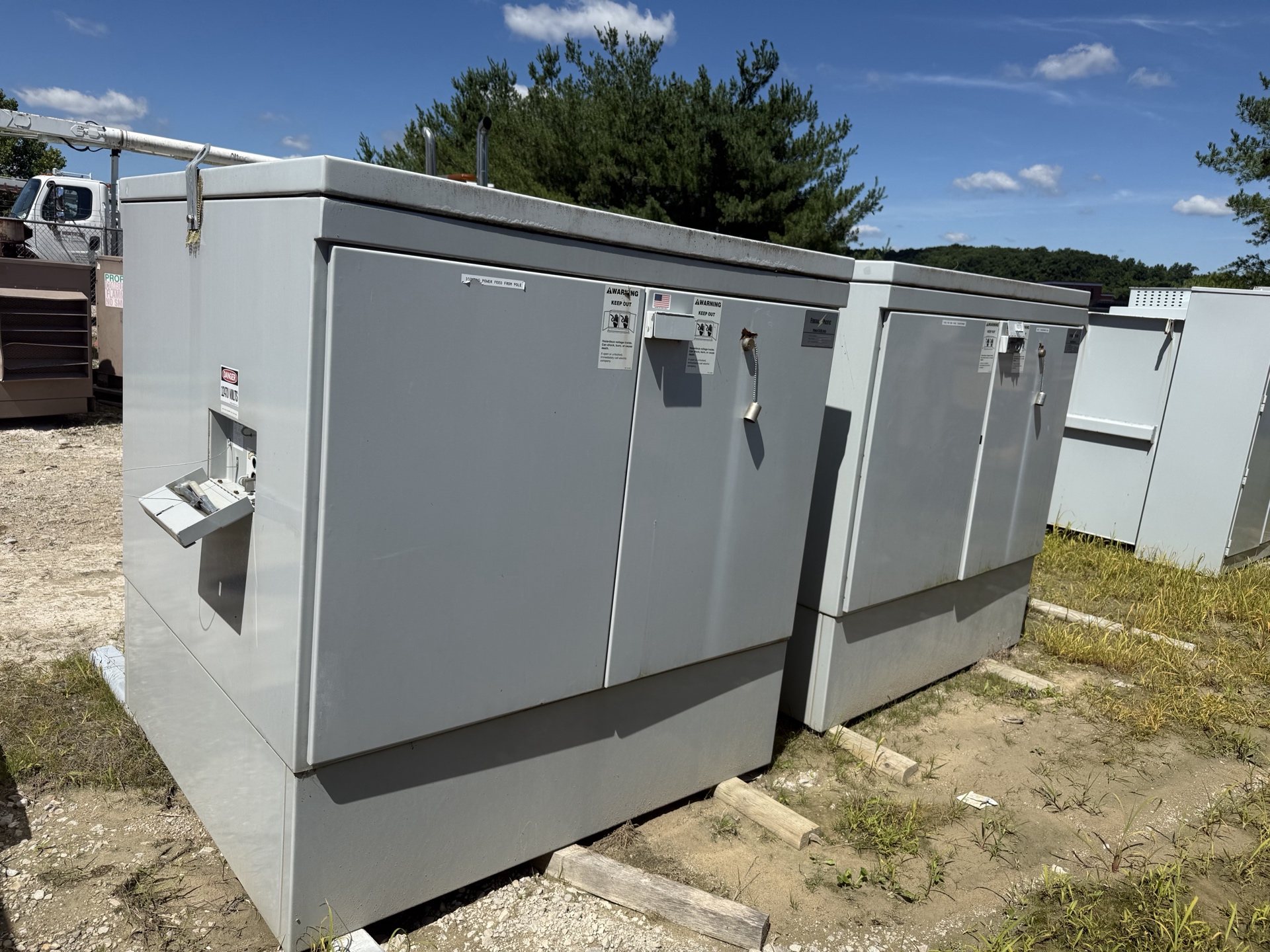
Pictures and older documents can help identify equipment, but they may omit later changes or fail to show a complete assembly. Describe photographs as views of what is visible, not proof that hidden or undocumented components are present or absent. If the drawing set is incomplete, say which sheets are available and which expected details cannot be verified. This level of specificity is more useful than presenting an unqualified equipment list, and it gives a prospective buyer a realistic view of the records supporting the campus surplus lot.
Explore related information: Nevada Distribution Equipment Buyer.
Prepare the lot for review
A concise records packet can include the timeline, the asset-to-sheet cross-reference, copies of relevant revisions, and a short discrepancy log. Keep original labels or file names visible where practical, and identify any transcription you added so it is not mistaken for a mark on the source drawing. Include the Douglas County location for the equipment, while avoiding unsupported assumptions about a county project or the history of the campus. If ownership or inclusion in the surplus lot is unclear, identify that as a separate unresolved point; a drawing boundary does not establish who owns every depicted item.
When seeking an offer, share known identifiers and candidly describe gaps rather than spending time trying to make records appear complete. The buyer may purchase switchgear from decommissioned data centers and shut-down power plants, but acceptance and value are assessed item by item; an inquiry is not a guarantee that every piece will be accepted or assigned a particular value. The company offers cash, pays upfront, and does not require sellers to test equipment. All voltage classes are considered, without implying that a rating alone determines suitability or an offer.
Keep site work with the buyer
For equipment selected for purchase, the buyer covers freight and handles crane, rigging, disconnects, loading, freight, and hauling. The seller does not need to arrange those tasks or move the equipment. That does not remove the need to establish what is being sold, who controls the equipment, and what site access or coordination is available. In a campus surplus lot, the scope of the transaction should be clear enough that selected assets can be distinguished from adjacent equipment and from items not included.
Do not touch or open electrical equipment to settle a drawing discrepancy, and do not attempt testing, disconnection, or movement. Leave any required site work to qualified personnel. If records remain incomplete, identify the uncertainty before the transaction rather than representing a revision as current without support. The buyer can review the information provided and make an offer, but the documents and actual lot may still leave questions about particular pieces. Clear records, honest limits, and a defined sale scope help keep that review practical.